



Escalating Atrocities: UN Commission Indicts Russia for Crimes Against Humanity Amid Lethal Kharkiv Bombings
In a damning new assessment of the ongoing war, the United Nations Independent International Commission of Inquiry on Ukraine has formally concluded that Russian authorities have committed crimes against humanity. Released in late October 2026, this pivotal report arrives just as the northeastern region of Kharkiv endures a fresh wave of devastating and lethal bombardments. The convergence of systemic human rights violations and indiscriminate aerial assaults paints a grim picture of the conflict’s current trajectory, underscoring a deliberate military strategy that continues to inflict disproportionate suffering on the Ukrainian civilian population.
The core of the UN Commission’s findings rests on the systematic and intentional targeting of Ukraine’s vital civilian infrastructure. According to the independent investigators, Russian commanders have knowingly directed strikes against civilian objects, most notably the nation’s energy grids and heating facilities. By obliterating these indispensable services, the attacks are designed to leave millions cold, isolated, and deprived of essential life-support systems. The Commission stated unequivocally that such coordinated destruction, driven by official declarations and premeditated planning, transcends the boundaries of standard warfare and constitutes undeniable war crimes and crimes against humanity.
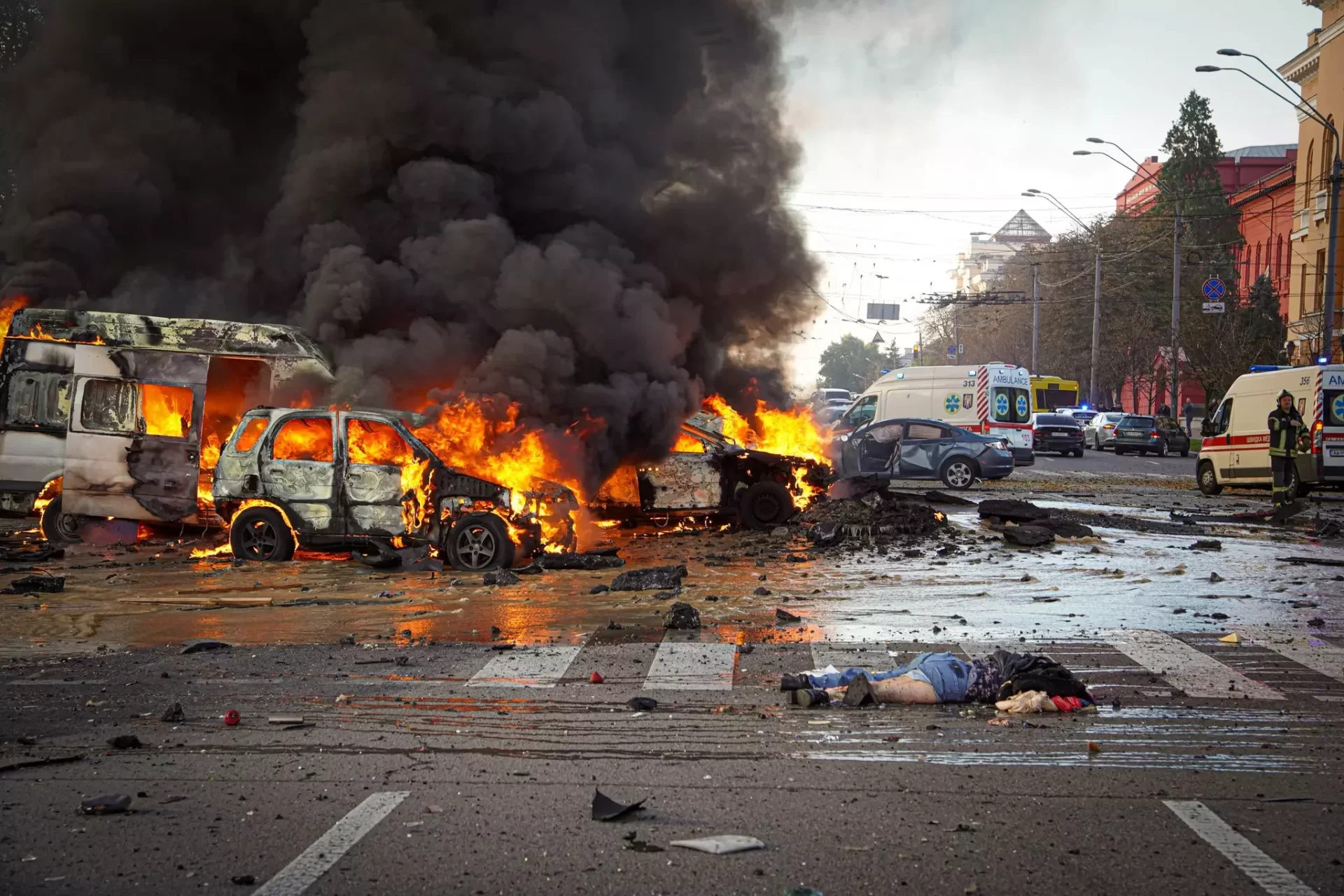
The reality of these international findings is currently being written in blood across the Kharkiv region, which has been subjected to relentless, lethal strikes in recent weeks. Rescue workers in Kharkiv have been grappling with the aftermath of intense bombings that have decimated residential zones and public infrastructure, including buildings hosting kindergartens and schools. Utilizing a terrifying array of weaponry—ranging from massive drone swarms to highly advanced missiles—the recent Russian offensives have resulted in mounting civilian casualties, injuries, and widespread panic. These attacks serve as a harrowing microcosm of the UN’s broader conclusions, demonstrating a flagrant disregard for the fundamental principles of international humanitarian law.
Beyond the immediate carnage of the aerial bombardments, the UN report also brought to light other grave violations that heavily compound the regional humanitarian crisis. Investigators uncovered compelling evidence that Russian authorities have been trafficking foreign nationals from over two dozen countries into their armed forces through severe deception and coercion. These individuals are reportedly stripped of their documentation and forced to sign contracts, only to be deployed to the deadliest frontlines in Ukraine, where many are killed or captured. This human trafficking operation, coupled with the dire conditions of local civilians left without power, medicine, or water, highlights a multi-layered campaign of exploitation that extends far beyond conventional military engagement.
As the international community absorbs the harrowing details of the UN Commission’s October 2026 report, the demand for legal accountability has reached a critical juncture. The explicit designation of these acts as crimes against humanity provides a crucial legal foundation for future prosecutions in international tribunals. However, for the civilians navigating the rubble and freezing conditions in Kharkiv and other frontline oblasts, the distant pursuit of international justice offers little immediate comfort. The ongoing atrocities underscore an urgent need for enhanced global humanitarian support, as Ukraine continues to endure a conflict where the destruction of civilian life has become an entrenched weapon of war.